Water softeners in Sacramento County
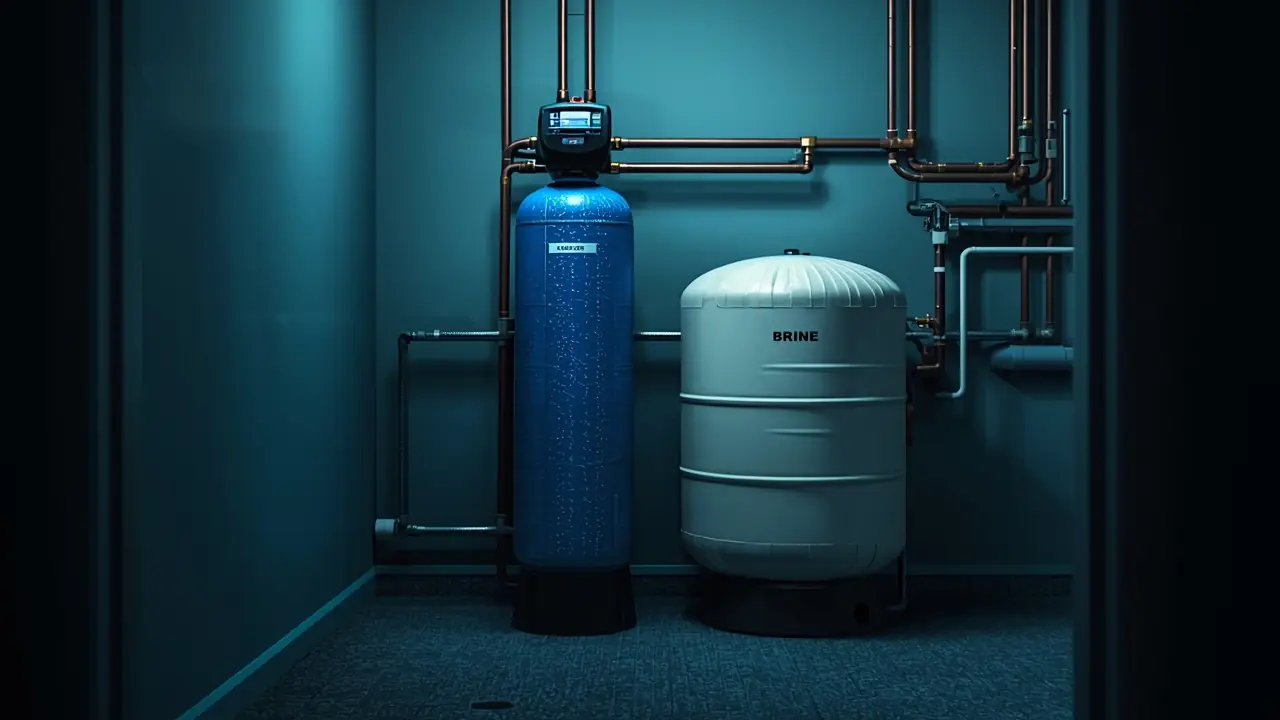
Most Sacramento homes on river water do not need a water softener. Homes on wells, or in areas that pump a lot of groundwater, often do. The only way to know for your house is to test your tap.
Is Sacramento water hard?
Less than you might think. The City of Sacramento's 2025 water report shows an average of 2.0 grains per gallon (gpg) from its Sacramento River plant and 4.9 gpg from its American River plant. That is soft to moderately hard. City wells and county groundwater run harder, up to about 9 gpg in the city and 13 gpg in some county wells. The chart shows the averages. See every number and its source on our Sacramento water hardness page.
Average hardness by water source
Grains per gallon. Shorter bar means softer water. From each utility report.
Signs your water is hard
- White spots on glasses and shower doors that come back after you clean them
- Crusty scale on faucets, shower heads and in your kettle
- Soap and shampoo that do not lather well
- A water heater that rumbles or needs flushing often
Do you see two or more of these? A hardness test is worth doing. Do you see none? You may not need a softener at all.
How a water softener works
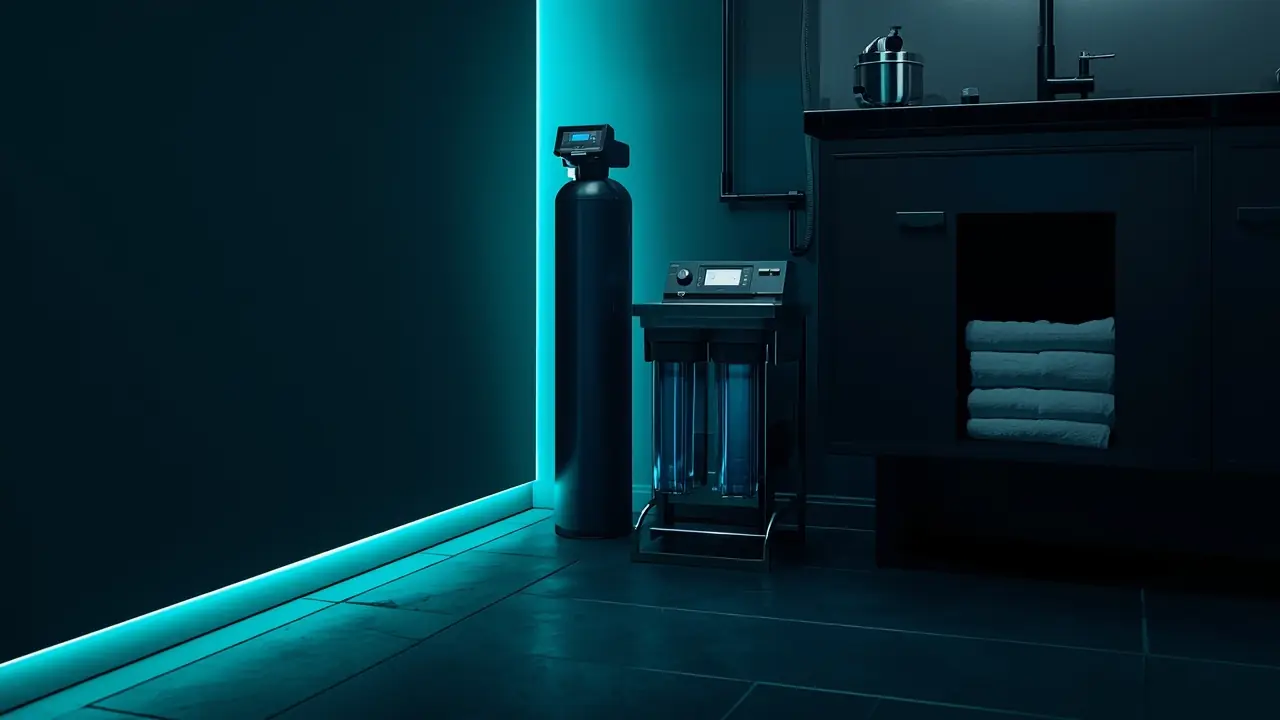
Hard water has extra calcium and magnesium. A softener sends your water through a tank of small resin beads. The beads grab the calcium and magnesium and swap them for sodium or potassium. Every so often, the softener rinses the beads with salt water to recharge them. That is why softeners need salt.
Salt-free "conditioners" are different. They do not remove the minerals. They change how scale forms. They can help with scale in pipes, but they will not stop spots the way a softener does.
What we check before we recommend one
- Your actual hardness. We measure it at your tap, in grains per gallon.
- Your water source. River, well, or a blend that changes with the season.
- Your household size and use. This sets the size of the system, so you do not pay for more than you need.
- Local rules. Some California sewer districts limit salt-based softeners. We check before we install.
Curious how a softener compares to other systems? Read reverse osmosis vs. a water softener. Wondering about price? See what a water softener costs.
Know your water before you buy anything
We test hardness, TDS, chlorine and pH at your kitchen sink for free, and you keep a printed report. If you do not need a system, we will tell you.
Book my free water testCommon questions
Do most Sacramento homes need a water softener?
No. Most river-fed water in the county is soft to moderately hard, about 2 to 5 grains per gallon on average. Homes on wells, or in areas that blend in a lot of groundwater, are the ones most likely to benefit.
How do I know my hardness number?
Your utility's yearly report lists an average, but your tap can differ by source and season. A free test at your sink gives you your own number in about 15 minutes.
Will a softener make my water taste salty?
A properly set softener adds only a small amount of sodium, and most people cannot taste it. If you want to limit sodium, you can use potassium chloride instead of salt, or drink from a reverse osmosis tap.
Keep reading
 GuideDo I need a water softener with city water in Sacramento?A simple way to decide, using real local numbers.
 GuideHow much does a water softener cost installed?Installed price ranges, running costs, and what drives the price.
 DataHow hard is Sacramento water?Hardness by utility, from each utility report.
 GuideReverse osmosis vs. water softener: which one do you need?They do different jobs. Here is how to pick.