Is Sacramento tap water safe to drink?
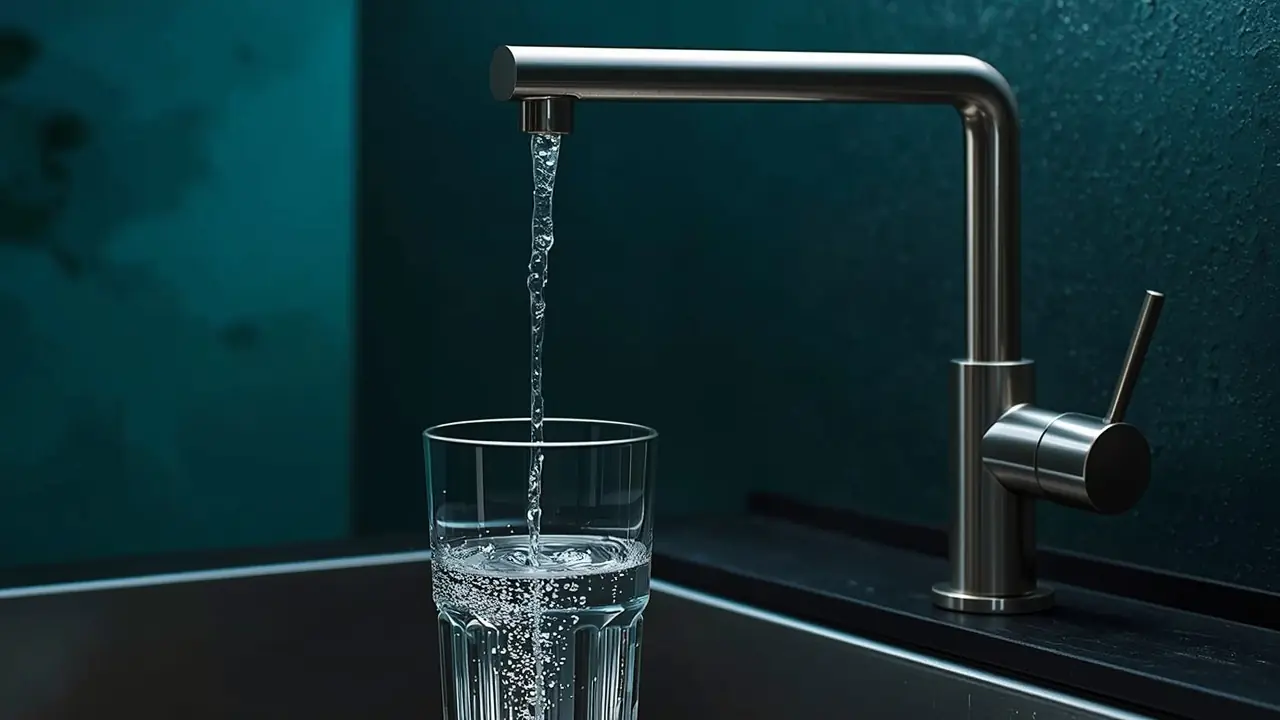
Short answer: the water the city delivers meets the rules. The City of Sacramento's 2025 report says its water "meets or exceeds all federal and state drinking water standards." What comes out of your tap also depends on your home's pipes, your water source, and what you care about beyond the legal limits.
What does "meets the standards" mean?
Every public water system has to test for a long list of contaminants and stay under legal limits. Each year, it publishes the results in a Consumer Confidence Report. The City of Sacramento's 2025 report (PDF, opens in new tab) says its water met every standard.
That is good news. But the report measures water at the plant and in the city's pipes. It cannot measure the last stretch: the pipes inside your house.
Three things the report cannot tell you
1. What your home plumbing adds
The city's report says lead in drinking water comes mainly from service lines and home plumbing, not the water supply. Homes built before 1986 are more likely to have lead solder or fixtures. The EPA (opens in new tab) says there is no known safe level of lead. The city suggests running your tap for 30 seconds to 2 minutes before drinking if water has been sitting for hours. If you are worried, a certified lab test is the only way to know.
2. Your exact source and season
Sacramento blends river water and well water. Your street may get mostly one or the other, and it can change in summer. That is why hardness can be 2 gpg in one neighborhood and 9 gpg in another. See the numbers on our Sacramento water hardness page.
3. Things that are legal but annoying
Chlorine is added on purpose to keep the water safe on its way to you. It is within limits, but some people do not like the taste or smell. Hardness is not a health issue, but it leaves spots and scale. Neither shows up as a "problem" in a safety report.
What about PFAS?
PFAS are man-made chemicals used in nonstick, stain-resistant and waterproof products. They break down very slowly. The City of Sacramento says it is committed to ongoing PFAS monitoring. The Sacramento County Water Agency (PDF, opens in new tab) reports that it has tested wells since 2019 and focuses on wells where PFAS were detected. It follows California's notification levels, such as 5.1 parts per trillion for PFOA and 6.5 for PFOS. If you want an extra layer, the EPA says reverse osmosis and activated carbon can reduce PFAS. Learn more about reverse osmosis.
Are you on a private well?
Then none of this applies to you. Private wells in California are not regulated, and nobody tests them but you. The State Water Board recommends a lab test every year. Here is what to test a well for.
So should you filter your water?
You do not have to. But you might want to if:
- Your home was built before 1986 and you want peace of mind about lead
- You do not like the taste or smell of chlorine (see whole-house filters)
- You see spots and scale (see water softeners)
- You are on a well
The simplest first step is to test your own tap and look at real numbers.
Know your water before you buy anything
We test hardness, TDS, chlorine and pH at your kitchen sink for free, and you keep a printed report. If you do not need a system, we will tell you.
Book my free water testCommon questions
Is Sacramento tap water safe to drink?
The City of Sacramento's 2025 water report says its water meets or exceeds all federal and state drinking water standards. That covers the water the city delivers. Your home's pipes and fixtures can still change what comes out of your tap.
Is there lead in Sacramento water?
Lead is not usually in the water supply. The city's report says lead in drinking water comes mainly from service lines and home plumbing. Homes built before 1986 are more likely to have lead parts, and a lab test is the only way to know.
Does Sacramento water have PFAS?
The City of Sacramento says it is monitoring PFAS. The Sacramento County Water Agency reports testing wells where PFAS were detected and follows state notification levels. Check your own utility's yearly report for results.
Keep reading
 DataHow hard is Sacramento water?Hardness by utility, from each utility report.
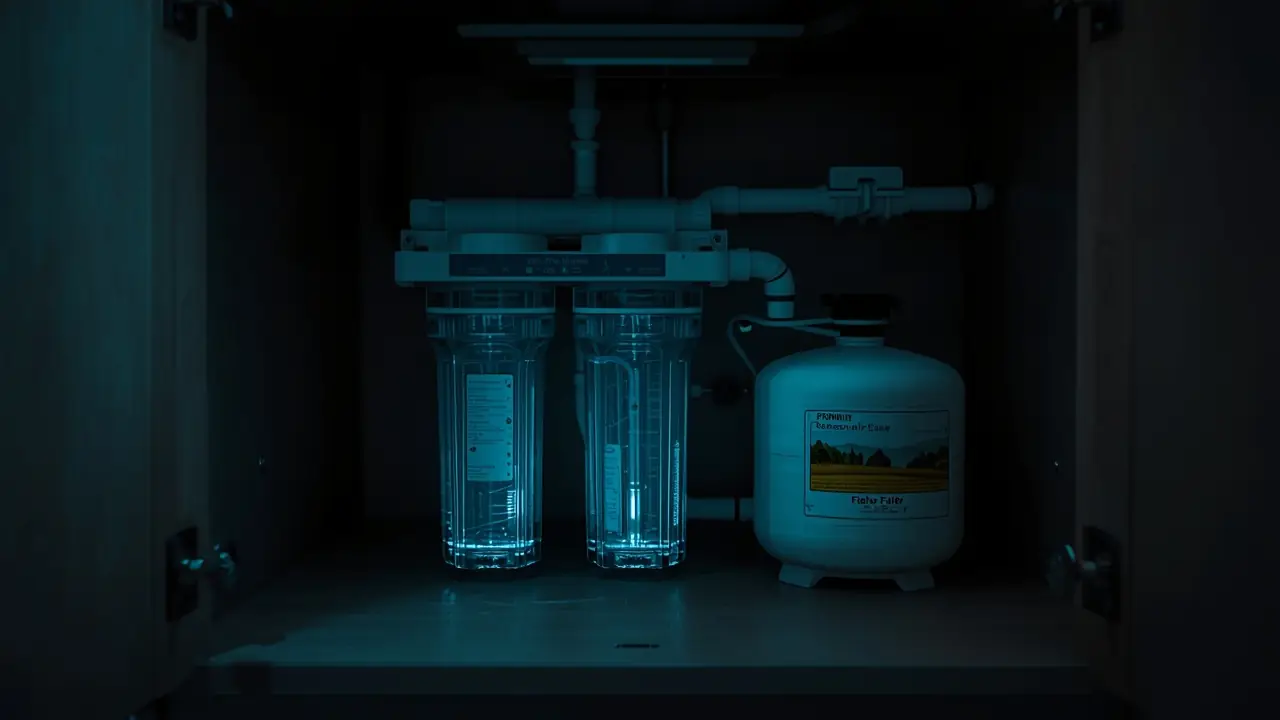 ServiceReverse osmosis drinking water in SacramentoFiltered drinking water at the kitchen sink.
 ServiceWell water testing in Sacramento CountyPrivate wells are up to you. Here is what to test.
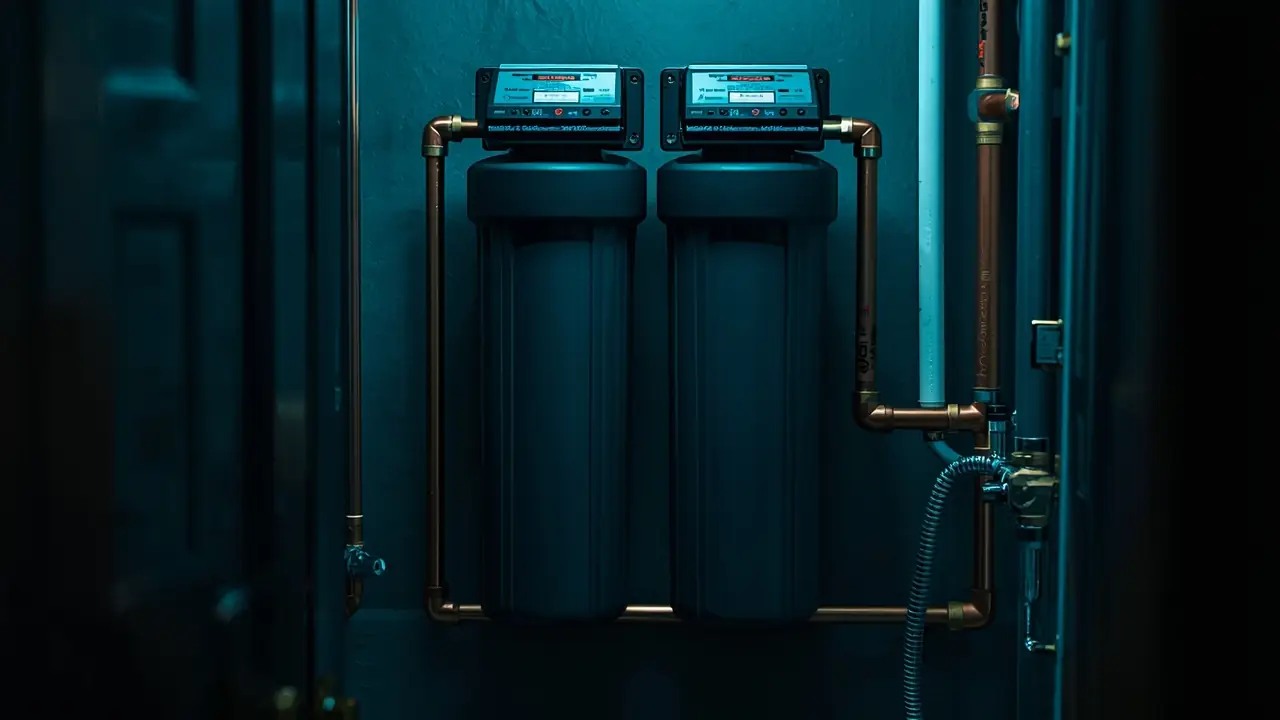 ServiceWhole-house water filters in SacramentoFiltered water at every tap and shower.